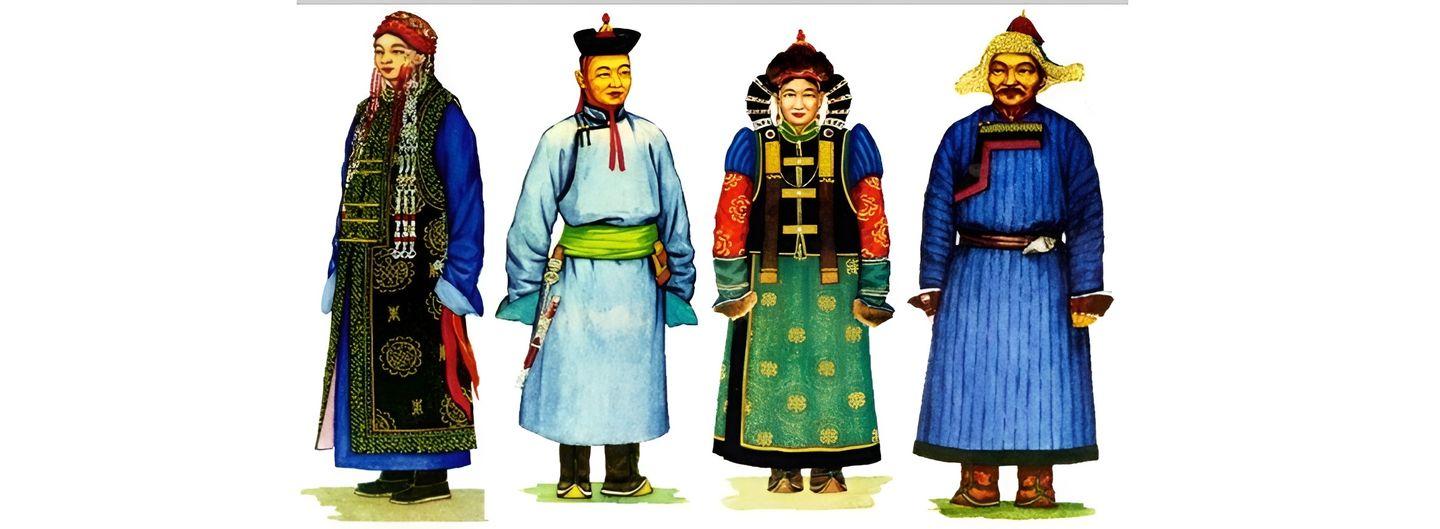
Mongolian Ethnic Groups - Unique Types of Nation
April 8, 2026Discover Mongolia75 viewsCULTURE
## Mongolian Ethnic Groups - Unique Types of Nation
Although most people probably think of Mongolia as being inhabited by a single ethnic group — the Mongols — this is wrong. Mongolia's population comprises over 20 distinct Mongol groups.
### Ethnic Composition
- **Khalkh:** 84.5% — the dominant group, considered direct descendants of Chinggis Khaan
- **Kazakh:** 3.9% — of Turkic ethnicity, the second largest Muslim group of Central Asia
- **Dörvöd:** 2.4% — western Mongols near the Russian border
- **Bayad:** 1.7% — a Mongol tribe residing in western Mongolia
- **Buriad:** 1.3% — northern Mongolians in forested lowlands
- **Zakhchin:** 1.0% — known for outstanding artistic traditions
- **Dariganga:** 0.9% — small southeastern group in Sühbaatar province
- **Uriankhai:** 0.8% — Tuvinian populations in mountainous northern regions
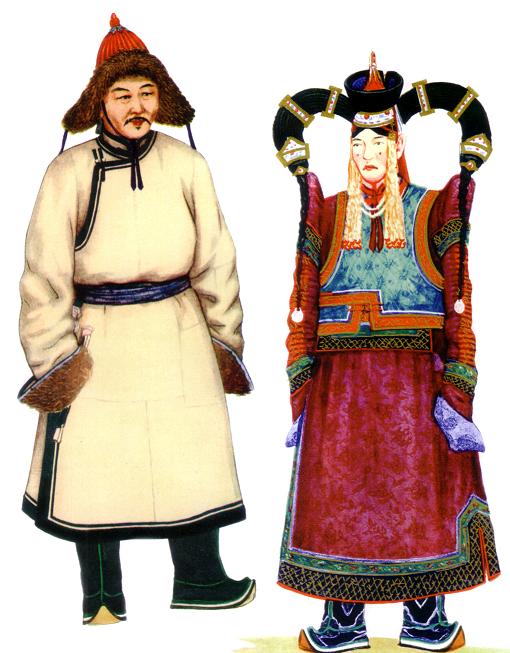
### Khalkh
The dominant group represents the core of all the Mongol peoples across North Asia. They preserve Mongolian culture through their language, Halh, which serves as the standard dialect across Mongolia and Central Asia.
### Kazakh
Of Turkic ethnicity, Kazakhs represent the second largest Muslim group of Central Asia. They constitute Mongolia's largest non-Mongolian population.
### Dörvöd
These western Mongols inhabit regions near the Russian border. Their Oirat ancestors migrated from Dzhungaria (modern Xinjiang) in the 1600s.
### Buriad
Northern Mongolians inhabit forested lowlands along the Russia-Mongolia border. Descendants of western Mongols and northern Siberians, three-quarters remain in the Buriat Autonomous Republic near Lake Baikal.
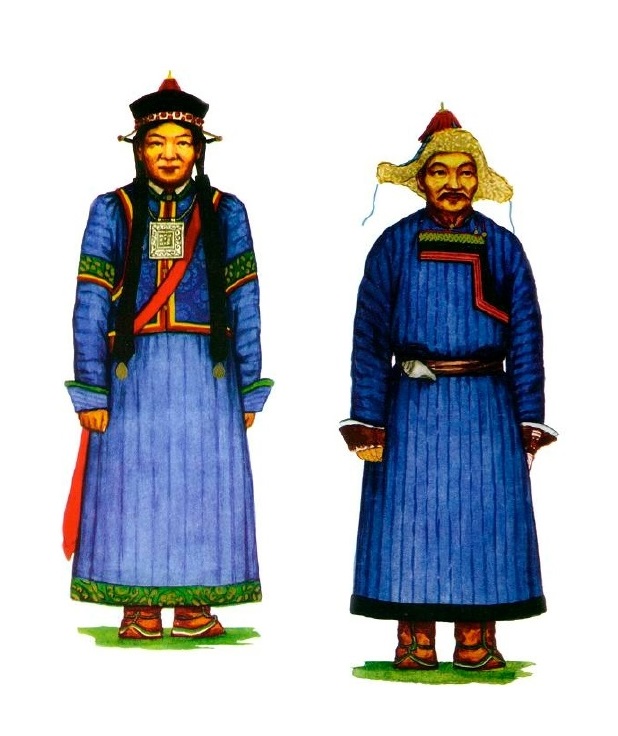
### Dariganga
This small southeastern Mongolian group inhabits the Sühbaatar province on a volcanic plateau near the Gobi Desert.
### Zakhchin
Known for outstanding artistic traditions, poetic talents, and epic compositions reflecting steppe freedom through traveling performers.
### Uriankhai
Tuvinian populations inhabit harsh mountainous northern regions bordering Russia. Despite extreme seasonal temperatures, the area receives approximately 300 annual sunny days.
cultureethnicpeopletraditions